
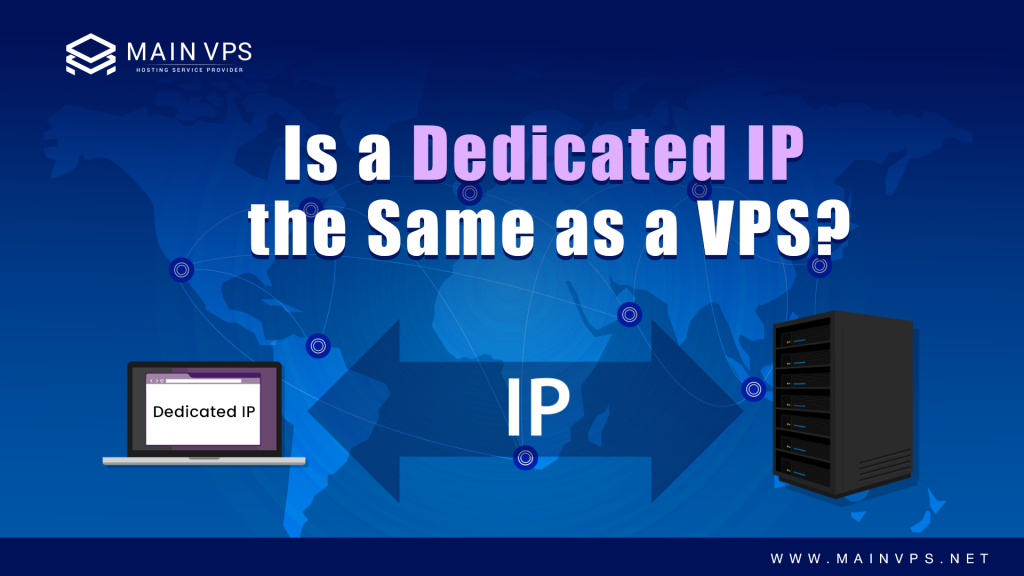
A dedicated IP is literally an IP address that is only assigned to you, whereas a VPS, or Virtual Private Server, is a complete server with an operating system of its own, giving you full control over your hosting environment. When comparing dedicated IP vs VPS, it’s important to understand that they serve different purposes but often work best together in professional hosting setups.
Going a step further, a dedicated IP gives you the advantage of having your online presence exclusively tied to your own address, which is crucial for email services, websites, and secure configurations like SSL without relying on shared environments. In the context of the IP, it ensures a unique identity and reputation, while the VPS delivers the infrastructure and performance needed to run applications efficiently.
On the other hand, a VPS is a powerful hosting solution that gives you complete control over your hosting environment, with full access to resources such as CPU, RAM, and disk space within a virtual environment. This gives you complete control over your server, allowing you to run any software of your choice, making it an ideal solution for businesses, developers, and websites that require complete control over their hosting environment.
What is a dedicated IP VPS?
A dedicated IP is simply one IP address, either IPv4 or IPv6, which is assigned solely to your use. This is different from shared IPs, where there are many sites or users using the same IP.
This is where the uniqueness of having a dedicated IP comes in. With a VPS dedicated IP, the reputation of your server is entirely up to you. This is important in many cases. A dedicated IP ensures that the activities of others do not affect your site in any way.
Popular uses include:
- Running SSL certificates without SNI limitations, ensuring secure HTTPS connections across all devices and configurations
- Setting up email servers with improved sender reputation, reducing the chances of emails landing in spam folders
- Allowing direct server access via IP for services like FTP, SSH, and remote desktop without relying on domain resolution
- Hosting custom applications or APIs that require a fixed IP address for authentication or firewall whitelisting
- Enabling secure remote access systems such as VPNs or private networks
Additional benefits of a dedicated IP:
A dedicated IP VPS also enhances brand credibility, as your website is independently identifiable and not grouped with unrelated or potentially harmful domains. It simplifies DNS management and can be useful during website migrations or testing phases, where accessing the server directly via IP is necessary.
For businesses handling sensitive data or operating in regulated industries, a dedicated IP adds an extra layer of control and security. It allows precise configuration of firewalls, access rules, and monitoring systems tailored specifically to your infrastructure.
What Is a VPS?
A VPS (Virtual Private Server) is a virtual machine created on a physical server using virtualization technology. It divides a powerful physical server into multiple isolated environments, each functioning as an independent server.
It provides dedicated resources such as a CPU, RAM, storage, and its own operating system, giving you a fully controllable and customizable hosting environment. Your performance remains unaffected by other users, ensuring greater stability and reliability, unlike shared hosting.
With a VPS, you get complete root (administrator) access. This allows you to install and configure software, run applications, host multiple websites, manage databases, set up mail servers, and customize server settings according to your exact requirements, all independently.
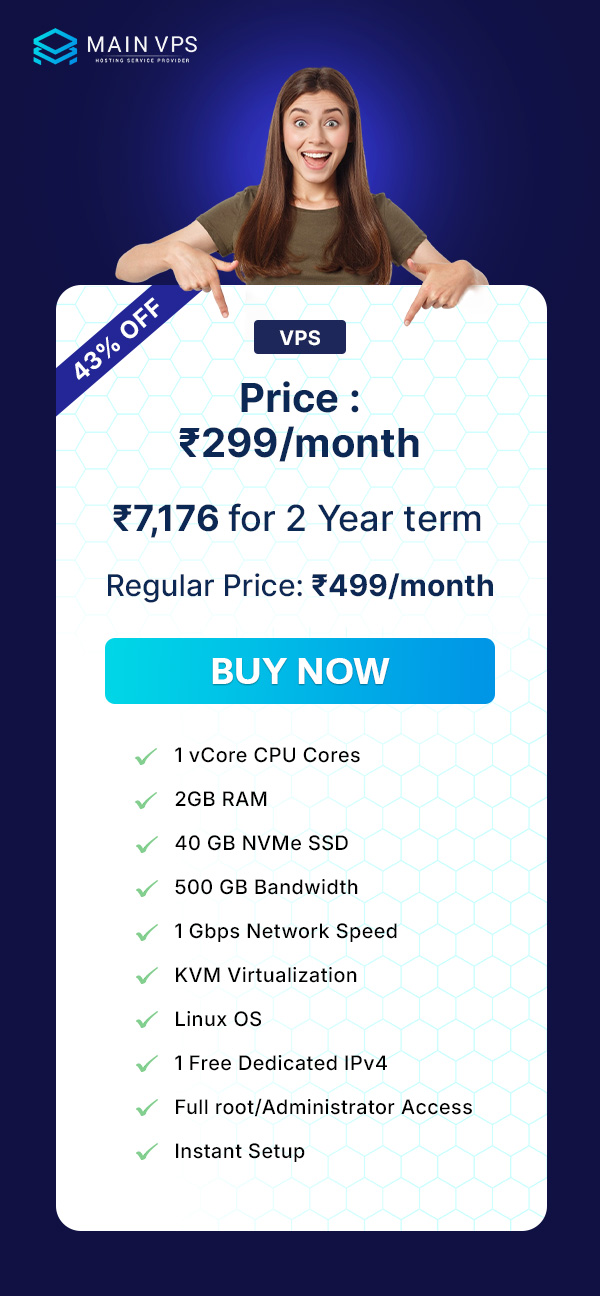
VPS plans often include a dedicated IP by default or as an optional add-on, further enhancing control, security, and professional usage.
Additional advantages of VPS hosting:
A VPS offers a perfect balance between affordability and performance. It is significantly more powerful than shared hosting while being more cost-effective than a dedicated server with DDoS protection. This makes it an ideal solution for growing businesses, developers, and high-traffic websites.
Scalability is another major benefit. As your website or application grows, you can easily upgrade your VPS resources (CPU, RAM, storage) without downtime or migration hassles. This flexibility ensures your hosting environment can adapt to increasing demands.
VPS hosting also provides enhanced security through isolated environments. Even though multiple VPS instances exist on the same physical server, each one is separated, reducing the risk of security breaches from neighboring users.
Common use cases include:
- Hosting high-traffic or resource-intensive websites
- Running custom applications or SaaS platforms
- Setting up development and testing environments
- Hosting game servers or private networks
- Managing databases and enterprise applications
In addition, VPS environments often support advanced features like automated backups, snapshots, monitoring tools, and firewall configurations. These features help ensure data safety, quick recovery, and optimal performance management.
In summary, a VPS gives you the power, flexibility, and control of a dedicated server at a fraction of the cost, making it a reliable and scalable solution for modern hosting needs.
Dedicated IP vs VPS at a Glance
| Feature | Dedicated IP | VPS |
|---|---|---|
| What it is | A unique address on the internet | A virtual server with its own OS |
| Function | Identifies your server/client online | Platform for apps, websites, and services |
| Control | None besides IP address usage | Full root/admin-level control |
| Dependence | Dependent on some host or server | Independent virtual machine |
| Common pairing | Used alongside VPS or shared hosting | Typically comes with a dedicated IP |
Why Do You Need Both?
- Security & SSL Compatibility
Some systems require a dedicated IP to associate SSL certificates properly, especially older devices or less common browsers. - Email Credibility
A dedicated IP helps maintain email sender reputation and avoid being flagged as spam (critical for newsletters and transaction emails). - Direct Access & Control
Want to connect directly via IP? Need SSH, FTP, or remote desktop access without relying on domain settings? A dedicated IP is essential.
The icing on the cake is that most VPS packages include a dedicated IP out of the box, keeping everything simple, secure, and reliable.
When You Only Need a Dedicated IP
- SSL on shared hosting: Some shared plans allow a dedicated IP for legacy SSL requirements.
- Remote Access Devices: Access cameras, appliances, or IoT systems directly via an IP.
- Email Warm-Up: This process isolates mail reputation without requiring a full VPS migration.
But remember, even if you only need an IP, you’ll still depend on a server (shared or virtual) to host applications.
Bottom Line
- A dedicated IP = one unique internet address.
- A VPS = your own virtual server, complete with OS, resources, and customizability.
- While a dedicated IP can exist without a VPS, they form a powerful pair: an IP gives identity and trust; a VPS provides the platform.
If your goal is improved email delivery, SSL support, remote access, or full server control, choosing a VPS with an included dedicated IP is your best bet.
Conclusion
A dedicated IP and a VPS may have different uses, but both of them, combined, form a formidable and reliable solution for your hosting needs. While a dedicated IP helps your online presence establish a unique and reliable identity, a VPS helps you host your applications and websites efficiently and effectively.
When both are combined, your online presence enjoys better security, better email service, and performance, along with the required scalability. When you are required to host business websites, applications, or even important data, this combination helps you establish a professional and reliable online presence, as required today.
If you are looking for a reliable and secure online presence that can help you establish a successful presence today and in the future, then a VPS, along with a dedicated IP VPS, would be a smart and reliable solution.
FAQs
Q1: Can I get a dedicated IP on shared hosting?
Yes, some hosting providers offer dedicated IPs on shared hosting, mainly for legacy SSL support or specific access needs. However, you still won’t get full control over the server environment like you would with a VPS.
Q2: Do I always need a dedicated IP with TLS/SSL today?
No, most modern websites use SNI (Server Name Indication), which allows multiple SSL certificates on a single IP. Dedicated IPs are only necessary for legacy systems or specialized configurations.
Q3: Can two VPS share the same IP address?
No, each VPS is typically assigned its own unique IP address to ensure proper routing, isolation, and firewall configuration.
Q4: Does a VPS always include a dedicated IP?
Most VPS hosting plans include at least one dedicated IP by default, but some providers may offer it as an optional add-on, so it’s always good to confirm before purchasing.
Q5: Can I switch from a shared IP to a dedicated IP later?
Yes, you can upgrade at any time. However, you may need to update DNS records, reconfigure SSL certificates, and rebuild email reputation after the change.
Q6: What are the main benefits of a dedicated IP?
A: A dedicated IP improves email deliverability, enhances security, allows direct server access, and ensures your reputation is not affected by other users.
Q7: Is a dedicated IP important for email marketing?
Yes, especially for businesses sending large volumes of emails. It helps maintain a clean sender reputation and reduces the risk of emails being marked as spam.
Q8: Can I host multiple websites on a VPS with one IP?
Yes, you can host multiple websites on a single VPS using one IP address with technologies like virtual hosts and SNI.
Q9: Is VPS hosting better than shared hosting?
VPS hosting offers better performance, security, and control compared to shared hosting, making it ideal for growing websites and applications.
Q10: When should I upgrade to a VPS with a dedicated IP?
You should consider upgrading when your website experiences higher traffic, requires custom configurations, or needs better security, performance, and email reliability.
Suggestions:
- https://mainvps.net/blog/linux-reseller-hosting/
- https://mainvps.net/blog/lifetime-web-hosting-2026/
- https://mainvps.net/blog/windows-reseller-web-hosting/
- https://mainvps.net/blog/best-wordpress-hosting-providers/
- https://mainvps.net/blog/linux-vps-hosting-india/
- https://mainvps.net/blog/low-cost-windows-vps-hosting-in-india/
- https://mainvps.net/blog/cheap-dedicated-server-hosting-providers/
- https://mainvps.net/blog/windows-server-guide-dde-dns-tls-1-2-uptime/
- https://mainvps.net/blog/dedicated-server-hosting-netherlands/
- https://mainvps.net/blog/dedicated-server-low-price/
- https://mainvps.net/blog/vps-hosting-in-los-angeles-us/
- https://mainvps.net/blog/dedicated-server-in-nedzone-nl/
- https://mainvps.net/blog/buy-linux-vps-hosting/
- https://mainvps.net/blog/managed-windows-vps-hosting/
- https://mainvps.net/blog/host-foundry-on-ubuntu-server/
- https://mainvps.net/blog/what-is-wmi-provider-host-complete-guide/